(Image source from: Newsbytesapp.com)
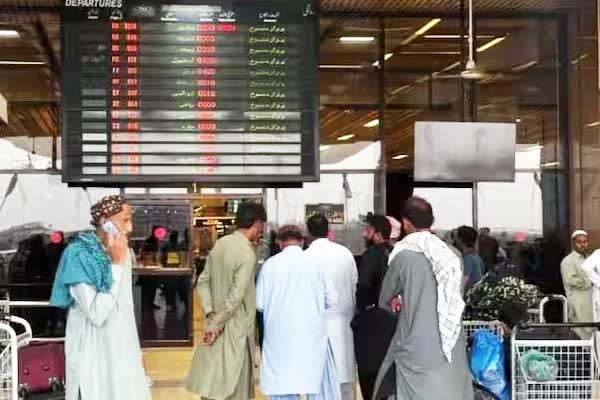
Saudi Arabia and the United Arab Emirates have increased their checks on Pakistani citizens due to rising worries over organized begging and criminal activities outside the country. Pakistani officials claim this situation is damaging the nation's reputation internationally. This year, Saudi Arabia has sent back 24,000 Pakistanis due to claims of begging, while the UAE has placed visa limits on many Pakistani individuals, expressing worries that some are engaging in criminal actions after entering the nation. Information from Pakistan's Federal Investigation Agency indicates the extent of the issue. In 2025, officials removed 66,154 travelers from airports to break up organized begging groups and stop illegal immigration. The Director General of the FIA, Riffat Mukhtar, stated that these operations are harming Pakistan's image. He mentioned that this problem isn't only happening in the Gulf region; similar situations have been noticed involving travel to Africa and Europe, as well as the misuse of tourist visas for places like Cambodia and Thailand.
Mukhtar further explained that Saudi Arabia expelled 24,000 Pakistanis this year over accusations of begging. Dubai returned around 6,000 people, and Azerbaijan sent back about 2,500 Pakistani beggars. This issue had already gained significant attention from Saudi officials the previous year. In 2024, Riyadh formally requested that Pakistan stop beggars from abusing Umrah visas to go to Mecca and Medina for donations. The Saudi Ministry of Religious Affairs warned that not addressing this behavior could negatively impact Pakistani pilgrims attending Umrah and Hajj. Legal experts in Pakistan have also examined the problem. In an article for Dawn last year, lawyer Rafia Zakaria characterized begging as a highly organized business rather than just a desperate act. "The begging industry in Pakistan is very structured and has been quite effective in ensuring that its members have plenty to do. It is such a successful operation that it has begun to expand internationally," she wrote.
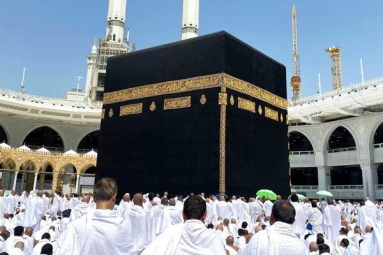
She continued, "Many Pakistanis may have witnessed this during Hajj, where these beggars set up near sacred sites in Makkah and Madinah, bothering foreign pilgrims for money just like they do with shoppers in markets throughout Pakistan." Government representatives have shared similar worries. In 2024, Secretary of Overseas Pakistanis Zeeshan Khanzada indicated that a large majority of beggars caught in Middle Eastern countries were Pakistani, estimating this number to be about 90%.